%2Ffit-in%2F250x250%2Fguide_websites%2F121658%2Fimages%2F1773705058204708c0fe2-68ae-4b4f-80ec-d68ebde3e94b.png&w=1200&q=100)
/users/c52cb1be-83b4-4ff5-89eb-a30f43d50c4f/ratecard/5-mmttn52e.png)
%2F300x300%2Fusers%2Fc52cb1be-83b4-4ff5-89eb-a30f43d50c4f%2Fratecard%2F5-mmttn52e.png&w=256&q=75)
%2F300x300%2Fusers%2Fc52cb1be-83b4-4ff5-89eb-a30f43d50c4f%2Fimages%2Fnew-port-richey-red-snapper-2742.jpg&w=256&q=75)
%2F300x300%2Fusers%2Fc52cb1be-83b4-4ff5-89eb-a30f43d50c4f%2Fimages%2Fgag-grouper-new-port-richey-2783.jpg&w=256&q=75)
%2F300x300%2Fusers%2Fc52cb1be-83b4-4ff5-89eb-a30f43d50c4f%2Fimages%2Fred-snapper-catch-new-port-2704.jpg&w=256&q=75)
%2F300x300%2Fusers%2Fc52cb1be-83b4-4ff5-89eb-a30f43d50c4f%2Fimages%2Fnew-port-richey-red-snapper-2847.jpg&w=256&q=75)
%2F300x300%2Fusers%2Fc52cb1be-83b4-4ff5-89eb-a30f43d50c4f%2Fimages%2Fred-snapper-new-port-richey-2700.jpg&w=256&q=75)
%2F300x300%2Fusers%2Fc52cb1be-83b4-4ff5-89eb-a30f43d50c4f%2Fimages%2Fred-snapper-catch-new-port-3039.jpg&w=256&q=75)
%2F300x300%2Fusers%2Fc52cb1be-83b4-4ff5-89eb-a30f43d50c4f%2Fimages%2Fred-snapper-new-port-richey-2784.jpg&w=256&q=75)
%2F300x300%2Fusers%2Fc52cb1be-83b4-4ff5-89eb-a30f43d50c4f%2Fimages%2Fgrey-triggerfish-new-port-richey-2711.jpg&w=256&q=75)
%2F300x300%2Fusers%2Fc52cb1be-83b4-4ff5-89eb-a30f43d50c4f%2Fimages%2Fgag-grouper-new-port-richey-2675.jpg&w=256&q=75)
%2F300x300%2Fusers%2Fc52cb1be-83b4-4ff5-89eb-a30f43d50c4f%2Fimages%2Fgag-grouper-new-port-richey-2682.jpg&w=256&q=75)
Inshore Fishing New Port Richey Frequensea
 New Port Richey
What you will be catching:
 Cobia
Cobia Redfish
 Sea Trout
 Snook
Snook Tarpon
- 8-hour private charter accommodates up to 3 anglers maximum
- Target Redfish, Snook, Tarpon, Sea Trout, and Cobia seasonally
- All fishing equipment and light tackle gear provided onboard
Trip Pricing and Availabilities:
Trip pricing information is temporarily unavailable.
Full Day Afternoon Fishing in New Port Richey
Captain Gene knows these waters like the back of his hand, and he's ready to show you why New Port Richey's inshore flats are some of Florida's best-kept secrets. This 8-hour private charter gives you and up to two buddies plenty of time to really dial in on the fish, working everything from shallow grass beds to deeper coastal structure. You're not rushed here – we've got all afternoon and evening to find the bite, switch up tactics, and put you on some serious Gulf Coast gamefish. Whether you're throwing your first cast or you've been chasing reds for years, Gene's laid-back style and local knowledge will have you feeling right at home on the water.
What to Expect on the Water
This isn't your typical half-day hustle where you're racing against the clock. With 8 hours to work with, we can really explore what New Port Richey's inshore waters have to offer. Captain Gene will pick you up right from the local ramps and head out to his favorite spots – shallow flats where redfish cruise in packs, mangrove shorelines holding snook, and deeper grass beds where big trout like to hang out. The beauty of this extended trip is flexibility. If the fish are biting in one area, we can stay put and capitalize. If they're not cooperating, we've got time to move around and find them. Gene's boat is rigged with everything you need – quality light tackle rods and reels, a selection of lures and bait, and all the terminal tackle to keep you fishing all day. The afternoon start time is perfect too, giving you those prime evening hours when the fish really start to feed.
Light Tackle Tactics
We're talking proper inshore fishing here – light spinning gear that lets you feel every headshake and run. Captain Gene sets you up with 15-20 pound tackle that's perfect for the species we're targeting. You'll be throwing everything from topwater plugs early in the trip to soft plastics as the sun starts to drop. The flats around New Port Richey are ideal for sight fishing, so when conditions are right, you'll actually see the fish before you cast to them. Gene's got a keen eye for spotting tailing reds and cruising snook, and he'll position the boat to give you the best shot. We work a mix of artificial lures and live bait depending on what the fish want that day. Shrimp under popping corks, paddle tail jigs bounced along the bottom, and topwater walks across the grass beds – it's all about reading the conditions and adjusting. The shallow draft boat lets us get into spots bigger boats can't reach, putting you right where the fish live.
Top Catches This Season
Redfish are the bread and butter around here, and for good reason. These copper-colored bruisers love the shallow flats and oyster bars that New Port Richey is famous for. Most of the reds you'll hook run between 18-27 inches – perfect slot fish that fight like they're twice their size. They're year-round residents, but fall and winter months are particularly hot when they school up in big numbers. What makes reds so special is how they fight in shallow water. They'll peel drag, make long runs, and use every oyster bar and grass bed to try to break you off. Snook are the glamour species of inshore fishing, and the waters around New Port Richey hold some beauties. These ambush predators love structure – docks, mangrove overhangs, and channel edges where they can dart out and crush baitfish. Summer months are prime time when snook are most active, though you can find them year-round if you know where to look. They're notorious for their gill-rattling jumps and stubborn fights close to the boat.
Sea trout, or "specks" as locals call them, are scattered throughout the grass flats and provide consistent action. The bigger gator trout – those 20+ inch specimens – are what every angler dreams about. They typically hold in slightly deeper water with good current flow, and they absolutely crush soft plastics worked slowly along the bottom. Spring and fall are peak seasons, but you can find good numbers of trout almost any time of year. Tarpon are the wildcards that can show up and completely change your day. From May through September, juvenile tarpon in the 20-60 pound range roll through these waters, and when you hook one, everything else becomes secondary. They're pure adrenaline – silver missiles that launch themselves skyward and test every knot on your rig. Cobia are the bonus fish that nobody expects but everyone remembers. These brown sharks cruise the flats looking for easy meals, and when you spot one, it's all hands on deck. They're curious fish that will often follow the boat, giving you multiple chances to get a bait in front of them.
Time to Book Your Spot
Captain Gene's full day afternoon trips book up fast, especially during peak season, and there's a good reason why. Eight hours with a top-rated local guide who knows exactly where to find fish, quality tackle that won't let you down, and enough time to really make the most of New Port Richey's world-class inshore fishing – that's a combination that's hard to beat. This isn't just another fishing trip; it's a chance to experience some of Florida's best inshore action with a captain who genuinely loves what he does. Whether you're looking to check some species off your bucket list or just want to spend a relaxing day on the water with friends, this trip delivers. Don't wait until you're here to book – secure your dates now and get ready for a day of fishing that'll have you planning your return trip before you even hit the dock.
Learn more about the species
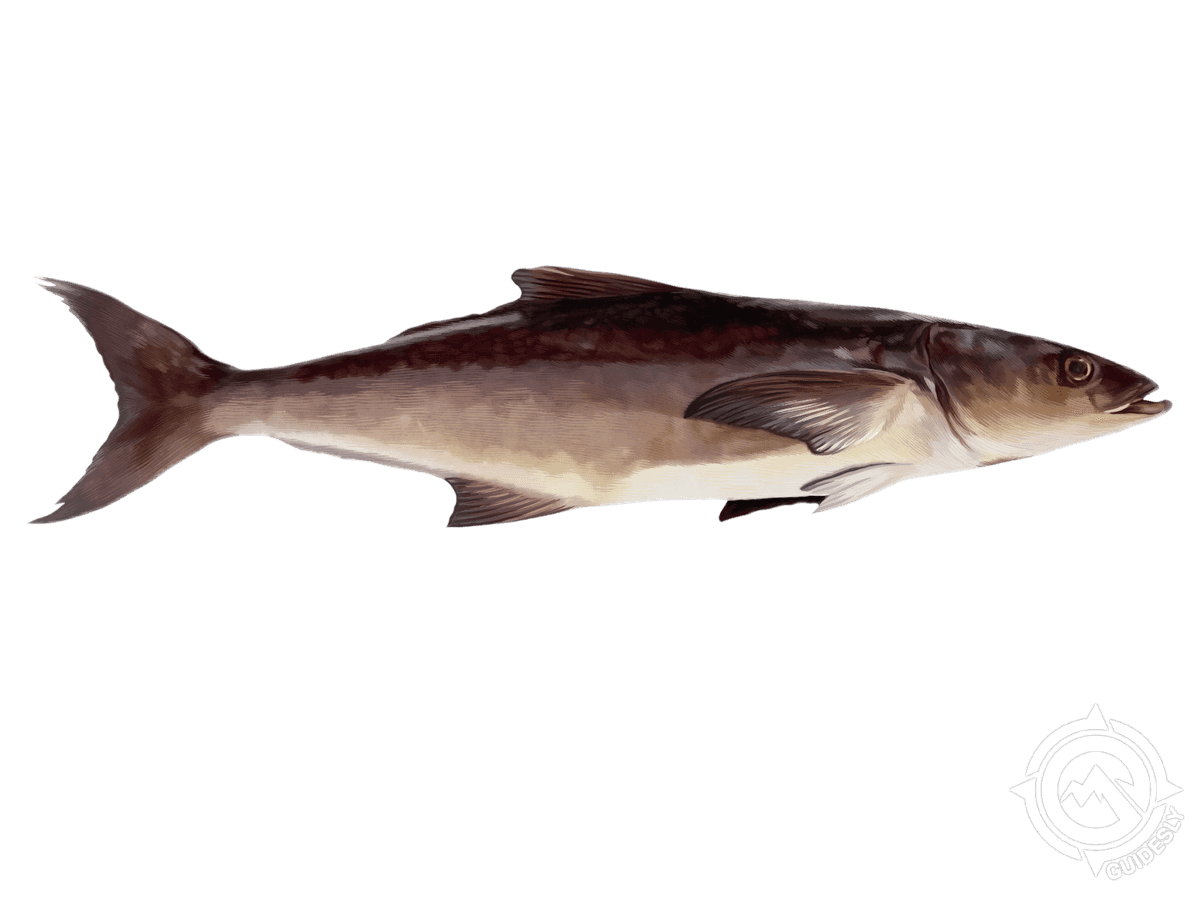
Cobia
Cobia are the sharks that aren't sharks - these brown, powerful fish often cruise just under the surface looking predatory with their shark-like silhouette. They average 30-50 pounds around here and are mostly solitary, making each encounter special. Spring migration brings the best action as they move through our area heading north. Look for them around structure in 15-50 feet - bridges, reefs, and channel markers are productive spots. What makes cobia prized is their incredible table quality - firm, white meat that rivals any fish in the Gulf. They're aggressive feeders and strong fighters that will test your tackle. Since they're curious fish, sight fishing is common when they surface to investigate the boat. Key tip: when you spot one, have a bucktail jig ready - they rarely refuse a well-presented jig worked near the bottom.
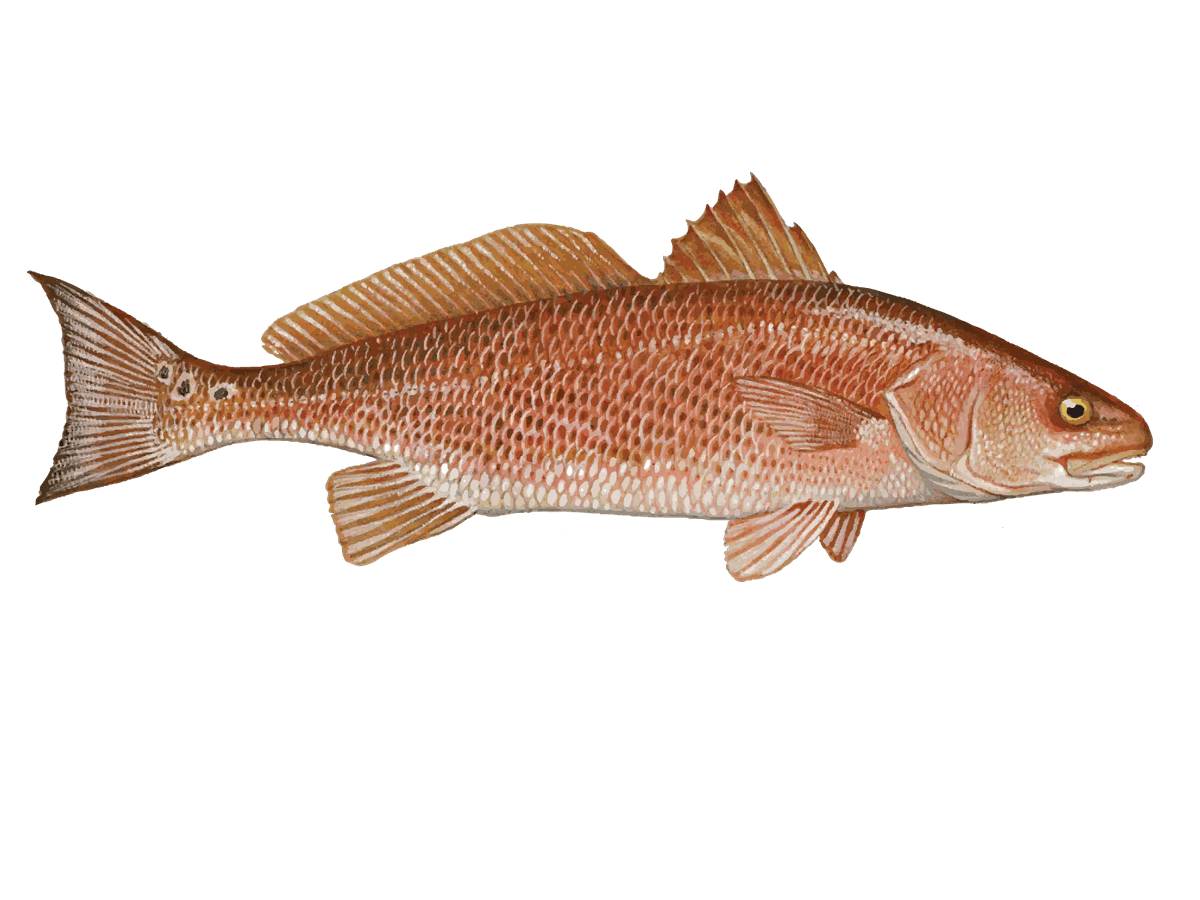
Redfish
Redfish are the bread and butter of our inshore fishing - bronze-backed bruisers with distinctive black spots near their tails. They typically run 18-27 inches in our shallow waters, preferring 1-4 feet deep over grass flats, oyster bars, and around mangroves. These fish are year-round residents, but fall and winter bring the best action when they school up in large numbers. What makes reds special is their powerful runs and stubborn fight - they'll use their broad tails to pull hard and steady. They're also excellent table fare with firm, slightly sweet meat. Redfish aren't picky eaters and will crush everything from live shrimp to topwater plugs. Local secret: look for "tailing" fish in super shallow water - when you see that tail sticking up, they're feeding head-down and often easy targets for a quiet approach.
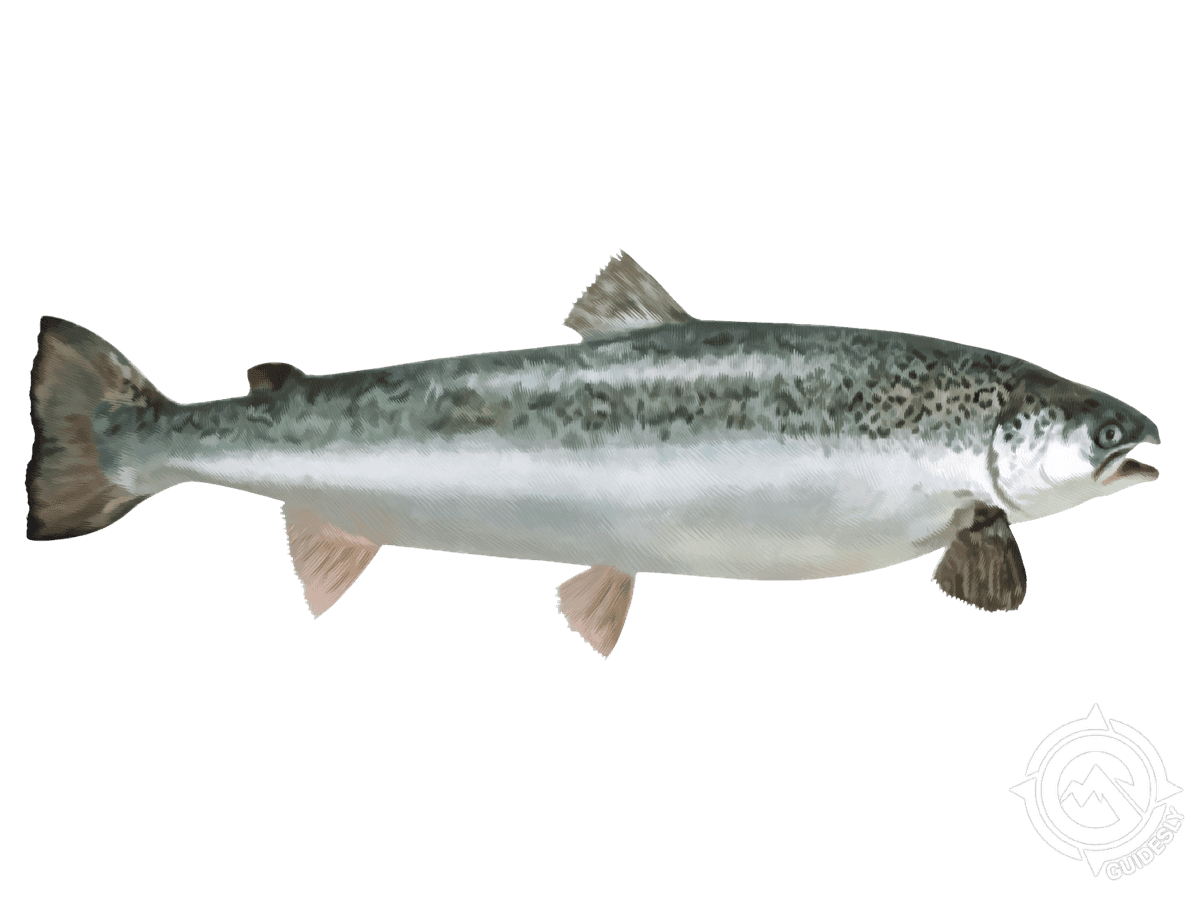
Sea Trout
Sea trout, or "specks" as we call them locally, are perfect light-tackle fish that run 14-20 inches on average. These spotted beauties have soft mouths and delicate flesh, making them great for beginners and tasty on the table. Look for them over grass flats in 2-8 feet of water, especially around dawn and dusk when they feed actively. They're most cooperative during cooler months when they school up in deeper holes and channels. What guests love about trout is their willingness to bite and their excellent eating quality - mild, flaky white meat that's hard to beat. They'll hit soft plastics, live shrimp, and topwater plugs with enthusiasm. Pro tip: use a light drag and land them quickly - their soft mouths tear easily, and gentle handling keeps more fish in the cooler.
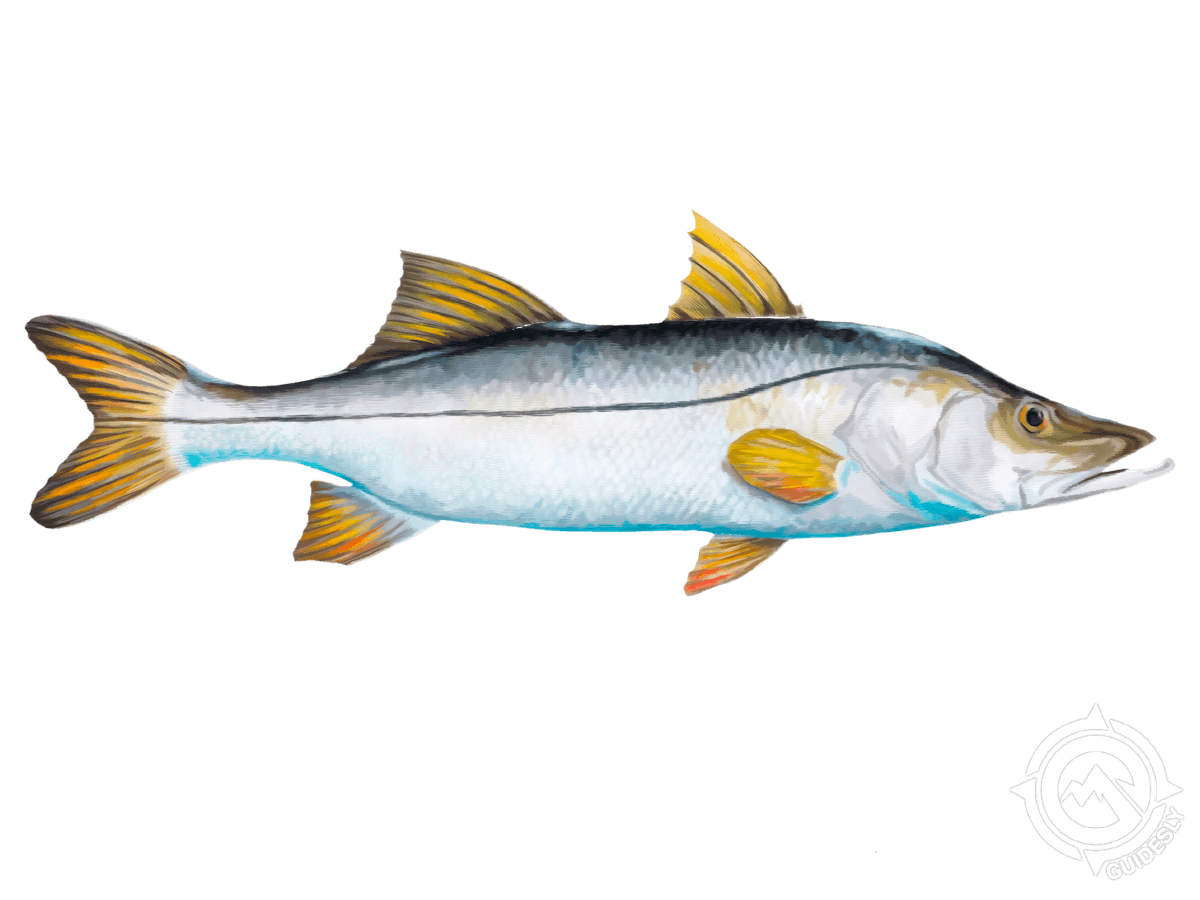
Snook
Snook are one of Florida's most sought-after inshore fish, and for good reason. These golden-bodied beauties with their distinctive black lateral line typically run 18-28 inches around New Port Richey, though bigger ones lurk in deeper water. They love structure - mangroves, docks, bridges, and oyster bars where they ambush prey. Spring through fall are prime months when they're actively feeding in shallow water. What makes snook special is their explosive strike and stubborn fight on light tackle. They'll jump, run, and use every piece of cover to break you off. Plus, they're fantastic eating with firm, white meat. Here's a local tip: when working mangroves, cast your bait upcurrent and let it drift naturally past the roots - snook hate anything that looks unnatural.
Tarpon
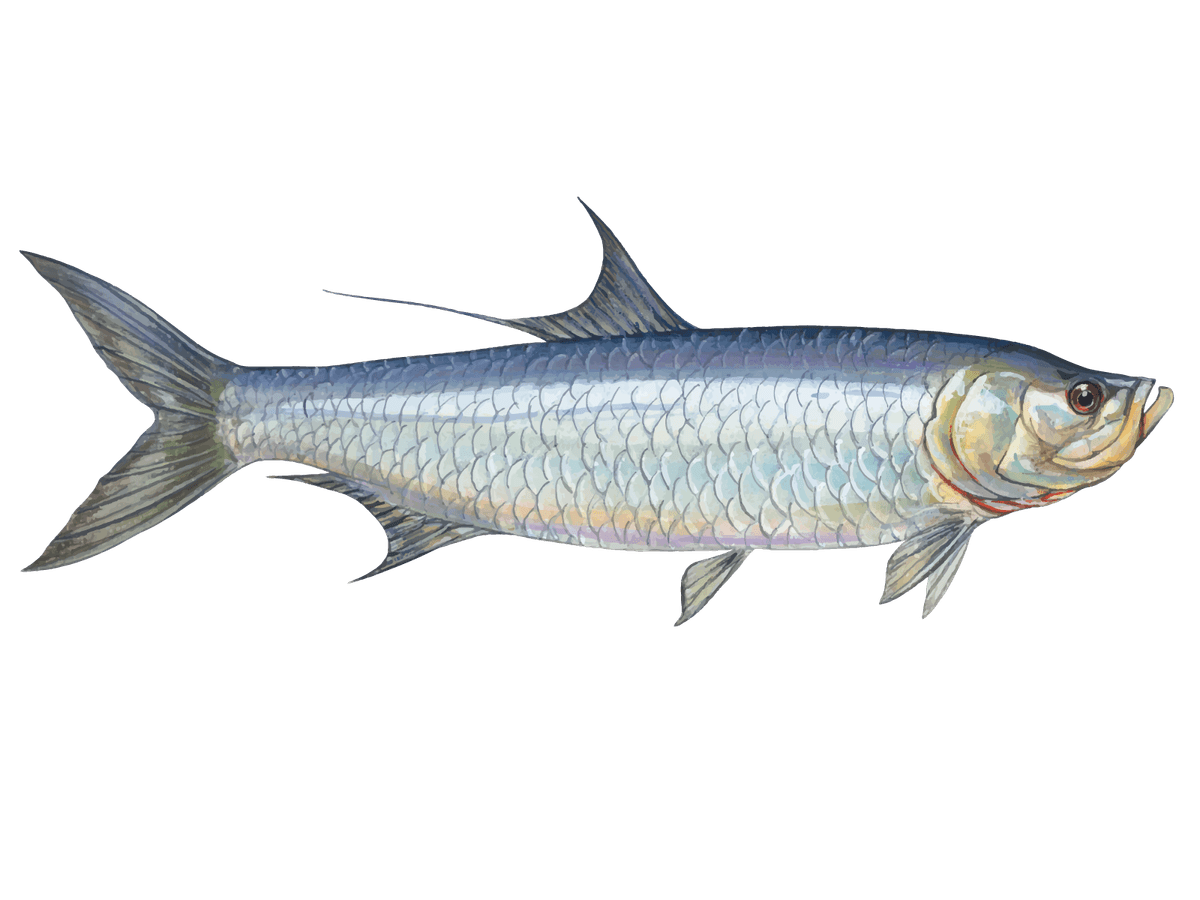
Tarpon are the ultimate bucket-list fish - these silver giants average 4-6 feet and 80-150 pounds around our waters. They're famous for launching themselves completely out of the water when hooked, sometimes multiple times. You'll find them rolling on the flats during warmer months, especially late spring through summer when they migrate through. They prefer depths from 3-20 feet around grass flats, channels, and near structure. What draws anglers is the sheer power and acrobatics - nothing compares to a 100-pound tarpon going airborne. Most folks release them since the meat isn't great, but the fight is worth every minute. My advice: when you see one jump, bow to the king by dropping your rod tip toward the fish - it reduces tension and keeps them buttoned up.
About the Hewes
%2F%2Fusers%2Fc52cb1be-83b4-4ff5-89eb-a30f43d50c4f%2Fvehicle_picture%2Fbbb-mmtt20cd.jpg&w=1200&q=75)
Vehicle Guest Capacity: 3
Manufacturer Name: Yamaha
Maximum Cruising Speed: 50
Number of Engines: 1
Horsepower per Engine: 225