%2Ffit-in%2F250x250%2Fguide_websites%2F121658%2Fimages%2F1774629187191screenshot2026-03-20at10.19.02am.png&w=1920&q=100)
/users/c52cb1be-83b4-4ff5-89eb-a30f43d50c4f/ratecard/467904854_18490443943041693_7515960456227657082_n-mmttgz0g.jpg)
%2F300x300%2Fusers%2Fc52cb1be-83b4-4ff5-89eb-a30f43d50c4f%2Fratecard%2F467904854_18490443943041693_7515960456227657082_n-mmttgz0g.jpg&w=256&q=75)
%2F300x300%2Fusers%2Fc52cb1be-83b4-4ff5-89eb-a30f43d50c4f%2Fimages%2Fnew-port-richey-sunset-cruise-2341.jpg&w=256&q=75)
%2F300x300%2Fusers%2Fc52cb1be-83b4-4ff5-89eb-a30f43d50c4f%2Fimages%2Fnew-port-richey-sunset-cruise-2232.jpg&w=256&q=75)
%2F300x300%2Fusers%2Fc52cb1be-83b4-4ff5-89eb-a30f43d50c4f%2Fimages%2Fnew-port-richey-sunset-cruise-2271.jpg&w=256&q=75)
%2F300x300%2Fusers%2Fc52cb1be-83b4-4ff5-89eb-a30f43d50c4f%2Fimages%2Fsailboat-cruising-new-port-richey-2514.jpg&w=256&q=75)
%2F300x300%2Fusers%2Fc52cb1be-83b4-4ff5-89eb-a30f43d50c4f%2Fimages%2Fsailboat-cruise-new-port-richey-2319.jpg&w=256&q=75)
%2F300x300%2Fusers%2Fc52cb1be-83b4-4ff5-89eb-a30f43d50c4f%2Fimages%2Fsailboat-cruise-new-port-richey-2527.jpg&w=256&q=75)
%2F300x300%2Fusers%2Fc52cb1be-83b4-4ff5-89eb-a30f43d50c4f%2Fimages%2Fnew-port-richey-sunset-cruise-2246.jpg&w=256&q=75)
%2F300x300%2Fusers%2Fc52cb1be-83b4-4ff5-89eb-a30f43d50c4f%2Fimages%2Fcharter-boat-new-port-richey-2543.jpg&w=256&q=75)
%2F300x300%2Fusers%2Fc52cb1be-83b4-4ff5-89eb-a30f43d50c4f%2Fimages%2Flines-of-liberty-charter-boat-2436.jpg&w=256&q=75)
%2F300x300%2Fusers%2Fc52cb1be-83b4-4ff5-89eb-a30f43d50c4f%2Fimages%2Faccessible-fishing-boat-new-port-2640.jpg&w=256&q=75)
Half Day Flats Fishing New Port Richey Captain
 New Port Richey
What you will be catching:
 Cobia
Cobia Redfish
 Sea Trout
 Snook
Snook Tarpon
- Captain Gene takes you out for a focused 4-hour morning trip targeting the productive flats around New Port Richey. This private charter for up to two guests uses light tackle to go after redfish, snook, tarpon, sea trout, and cobia depending on what's biting. The morning conditions are typically calm, making it perfect for beginners while still offering plenty of action for seasoned anglers. Gene provides all the gear and knows these Gulf Coast waters well, so you'll spend your time actually fishing instead of guessing where to go. It's a solid half-day trip that gets you on fish without eating up your whole day.
Trip Pricing and Availabilities:
Half Day Morning Inshore Flats Fishing in New Port Richey
There's something special about getting out on the water early in New Port Richey, when the flats are still glass-calm and the fish are just starting to move. Captain Gene's half-day morning trip gives you four solid hours to work the productive shallow waters along Florida's Gulf Coast, targeting some of the most sought-after inshore species in the area. This private charter is perfect for solo anglers or a pair looking to escape the crowds and focus on what really matters – putting fish in the boat. Whether you're new to flats fishing or you've been chasing reds and snook for years, Captain Gene tailors the experience to match your skill level and keeps things relaxed while staying focused on finding fish.
What to Expect on the Water
Your morning starts with Captain Gene picking the best spots based on current conditions – tide, wind, and where the fish have been feeding. The beauty of inshore flats fishing is that you're working in relatively shallow water, usually between two and six feet deep, where you can actually see the bottom and often spot your target before making a cast. The boat stays in position using the trolling motor or pole, keeping noise to a minimum so you don't spook the fish. Morning trips have a huge advantage because the water temperature is cooler, there's less boat traffic, and many species are more active during these early hours. Captain Gene knows these waters like the back of his hand, from the grass flats near the Pithlachascotee River to the oyster bars and mangrove shorelines that hold fish throughout the year. The four-hour window gives you plenty of time to work different areas without feeling rushed, and there's always a backup plan if one spot isn't producing.
Light Tackle & Flats Techniques
All your gear is provided, and Captain Gene sets you up with light spinning tackle that's perfectly matched for inshore work. We're talking 7-foot medium-light rods with 2500-series reels spooled with 10 to 15-pound braided line – exactly what you need for accurate casts and solid hooksets without overpowering these fish. The tackle box includes a variety of soft plastics like paddle tails and jerk baits, topwater plugs for those explosive morning strikes, and live bait when conditions call for it. Flats fishing is all about presentation and being ready when opportunity strikes. You'll learn to read the water, looking for nervous baitfish, wakes, or actual fish cruising in the shallows. Captain Gene teaches proper casting techniques to avoid lining fish and shows you how to work different baits depending on what the fish want that day. The key is staying quiet, making accurate casts, and being patient – but when it all comes together, there's nothing quite like watching a redfish or snook absolutely crush your lure in crystal-clear water.
Top Catches This Season
The waters around New Port Richey offer some of Florida's best inshore fishing, with five main species that keep anglers coming back for more. Redfish are the bread and butter of flats fishing here, and these copper-colored fighters are available year-round. They typically run between 18 and 30 inches, with slot-sized fish being the most common. Reds love to cruise the grass flats and oyster bars, especially during moving tides. What makes them so exciting is their aggressive strikes and bulldogging fight – once hooked, they'll make several powerful runs toward structure. Snook are the glamour fish of the inshore world, known for their explosive strikes and acrobatic jumps. These ambush predators hang around mangroves, docks, and creek mouths, particularly during warmer months from spring through fall. They're incredibly line-shy and require precise presentations, but landing a snook in the 24 to 32-inch range is what inshore fishing dreams are made of. Tarpon show up seasonally, usually from late spring through summer, and even the smaller "juvenile" tarpon in the 20 to 40-pound range will test your tackle and skills. These silver kings are famous for their aerial displays and stamina – a single tarpon can jump a dozen times and fight for 20 minutes or more. Sea trout are abundant throughout the year and make excellent table fare when kept within regulations. They're often found over grass beds and sandy bottoms, responding well to both live bait and soft plastics. Finally, cobia occasionally cruise these waters, especially during their spring and fall migrations. These brown sharks (as they're nicknamed) are curious fish that often approach the boat, giving anglers shots at a species that can easily reach 30 to 50 pounds and provides some of the best eating in the Gulf.
Time to Book Your Spot
Captain Gene's half-day morning trips offer the perfect balance of productive fishing time and reasonable scheduling, getting you back to shore by lunch with stories to tell and hopefully fish for dinner. The private charter format means you're not sharing the boat with strangers, and the single-angler capacity ensures you get personalized attention and coaching throughout the trip. Morning conditions are typically the calmest of the day, making this trip suitable for anglers of all experience levels who want to try their hand at sight fishing and light tackle techniques. With all tackle and gear provided, you just need to bring yourself, some snacks, plenty of water, and maybe a camera to document the action. New Port Richey's inshore waters are productive year-round, but each season offers different opportunities and challenges that keep the fishing interesting. Don't wait too long to secure your date – the best captains and prime morning slots fill up quickly, especially during peak fishing seasons.
Learn more about the species
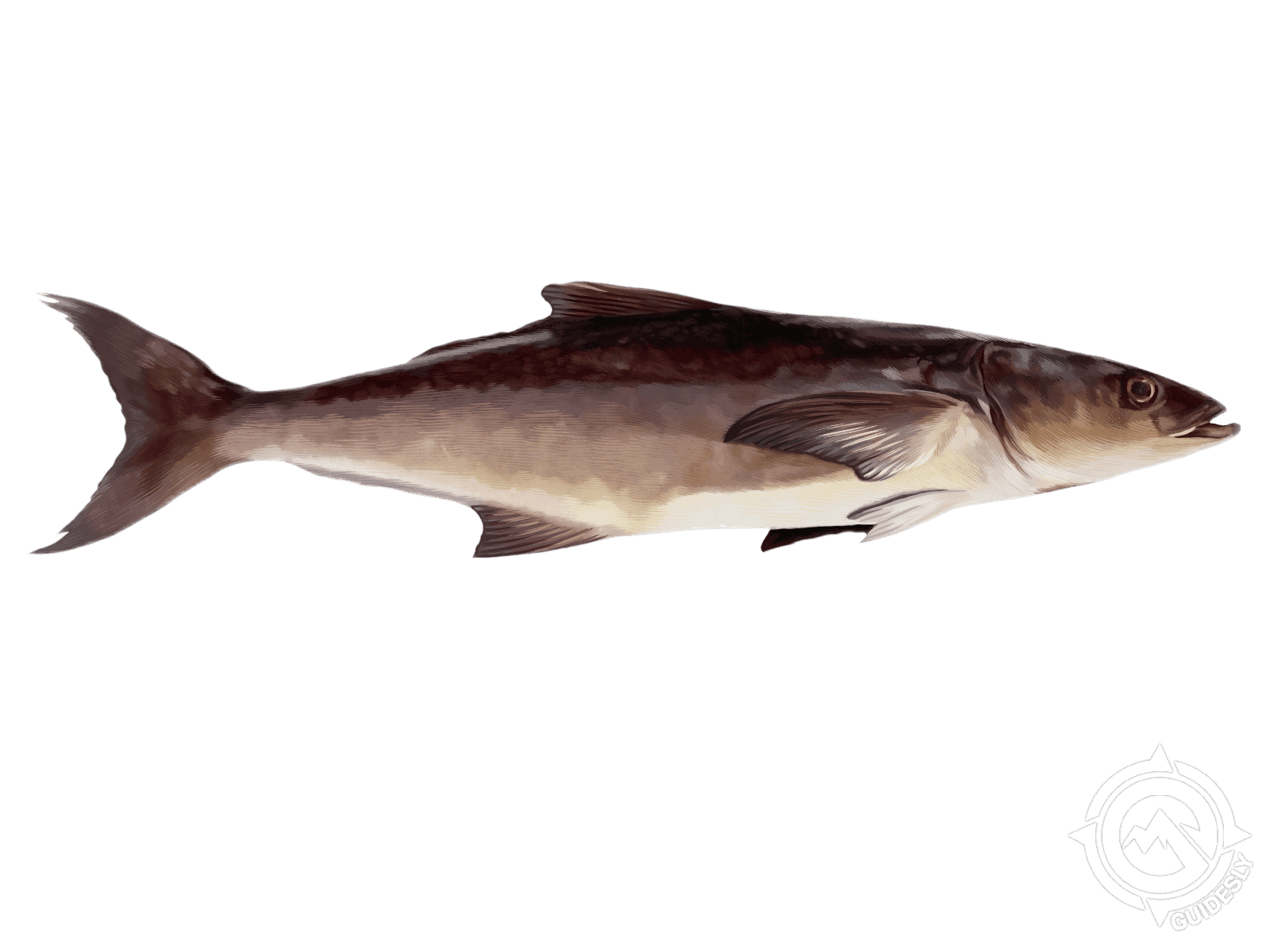
Cobia
Cobia are the wildcards of our New Port Richey trips - when we find them, it's always exciting. These brown, shark-looking fish average 20-40 pounds but can push 50-60 pounds, making them serious tackle-testers. We typically spot them cruising near the surface around channel markers, crab traps, or structure in 15-50 feet of water during their spring migration from March through May. What makes cobia special is they're curious fish that will actually follow the boat, giving you multiple shot opportunities. They're also phenomenal table fare - firm, white meat that rivals any fish. The challenge is they're loners, not schooling fish, so finding one takes patience and sharp eyes. When we do connect, expect a powerful fight with long runs. Pro tip: if you see a cobia but it won't bite, try switching to a different lure or even a live bait - they can be finicky but their curiosity usually wins out.
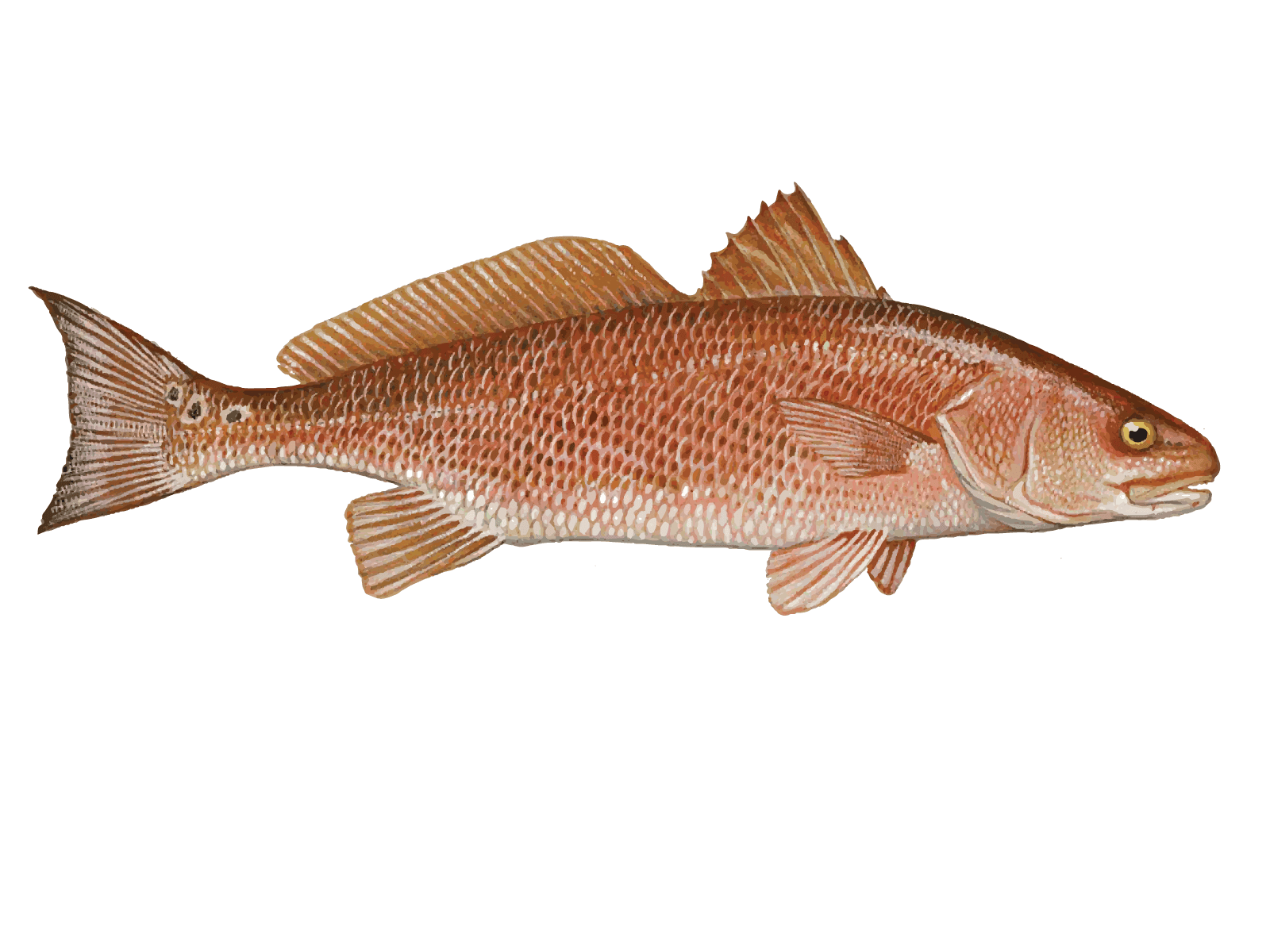
Redfish
Redfish are hands-down the most reliable target on our New Port Richey flats. These copper-colored bruisers typically run 18-27 inches (slot size) and are built like tanks with broad shoulders and that telltale black spot near their tail. They cruise oyster bars, grass flats, and shallow mangrove shorelines in 1-4 feet of water - sometimes so shallow their backs are exposed. We fish for them year-round, but fall and winter offer the best action when they school up. What makes reds special is their bulldogging fight and willingness to eat almost anything - live shrimp, cut bait, or artificials. They're also fantastic table fare with firm, sweet meat. The beauty is they're not spooky like some species, so they're perfect for all skill levels. Here's the trick: when sight-fishing, cast well ahead of cruising reds and let your bait sink to the bottom before they arrive - they're nose-down feeders.
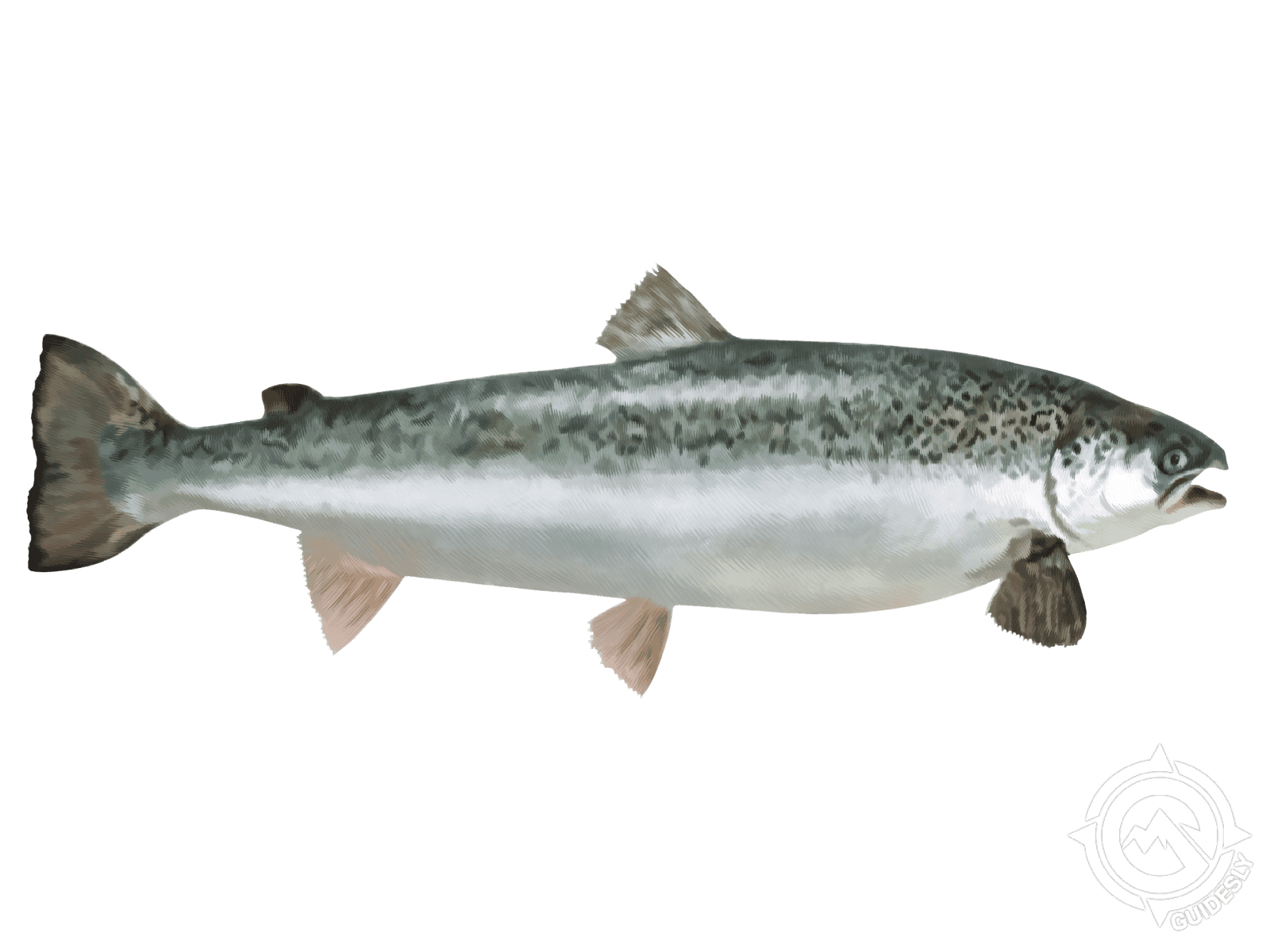
Sea Trout
Speckled trout are bread-and-butter fish that keep our New Port Richey trips productive year-round. These spotted beauties typically run 12-20 inches and put up a scrappy fight on light tackle. You'll find them scattered across grass flats in 2-8 feet of water, especially around potholes and channel edges. They're most active during cooler months when they school up in deeper holes, but we catch them all year. What guests love about trout is they're willing biters - great for beginners - and excellent eating with sweet, flaky white meat. They hit soft plastics, live shrimp, and topwater plugs with enthusiasm. The key is not fighting them too hard since their mouths are soft and hooks pull easily. My go-to technique is working a paddle-tail grub slowly along the grass edges right at first light when they're feeding aggressively in shallow water.
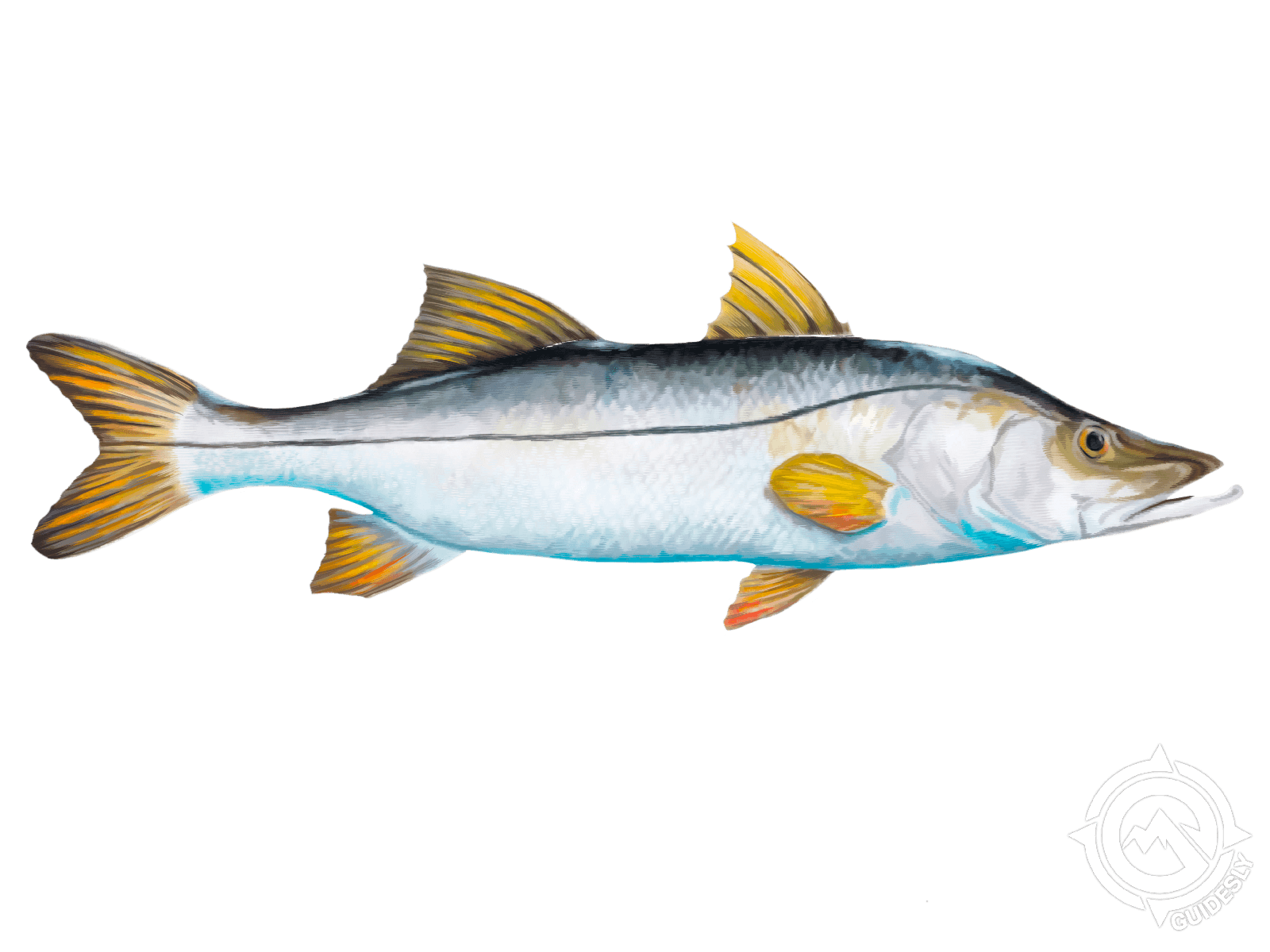
Snook
Snook are one of our most sought-after inshore species here in New Port Richey. These sleek, golden fish typically run 18-28 inches, though we occasionally hook into bigger ones pushing 3-4 feet. You'll spot them by that distinctive black lateral line and that jutting lower jaw. They love hanging around mangroves, docks, and creek mouths in 2-6 feet of water where they can ambush baitfish. Spring through fall gives us the best action, especially around dawn and dusk when they're actively feeding. What makes snook special is their explosive strike and that bulldogging fight - they'll make several hard runs before giving up. Plus, they're excellent table fare with firm, white meat. Here's a local tip: when fishing around structure, cast just upcurrent and let your lure drift naturally past the cover where they're waiting.
Tarpon
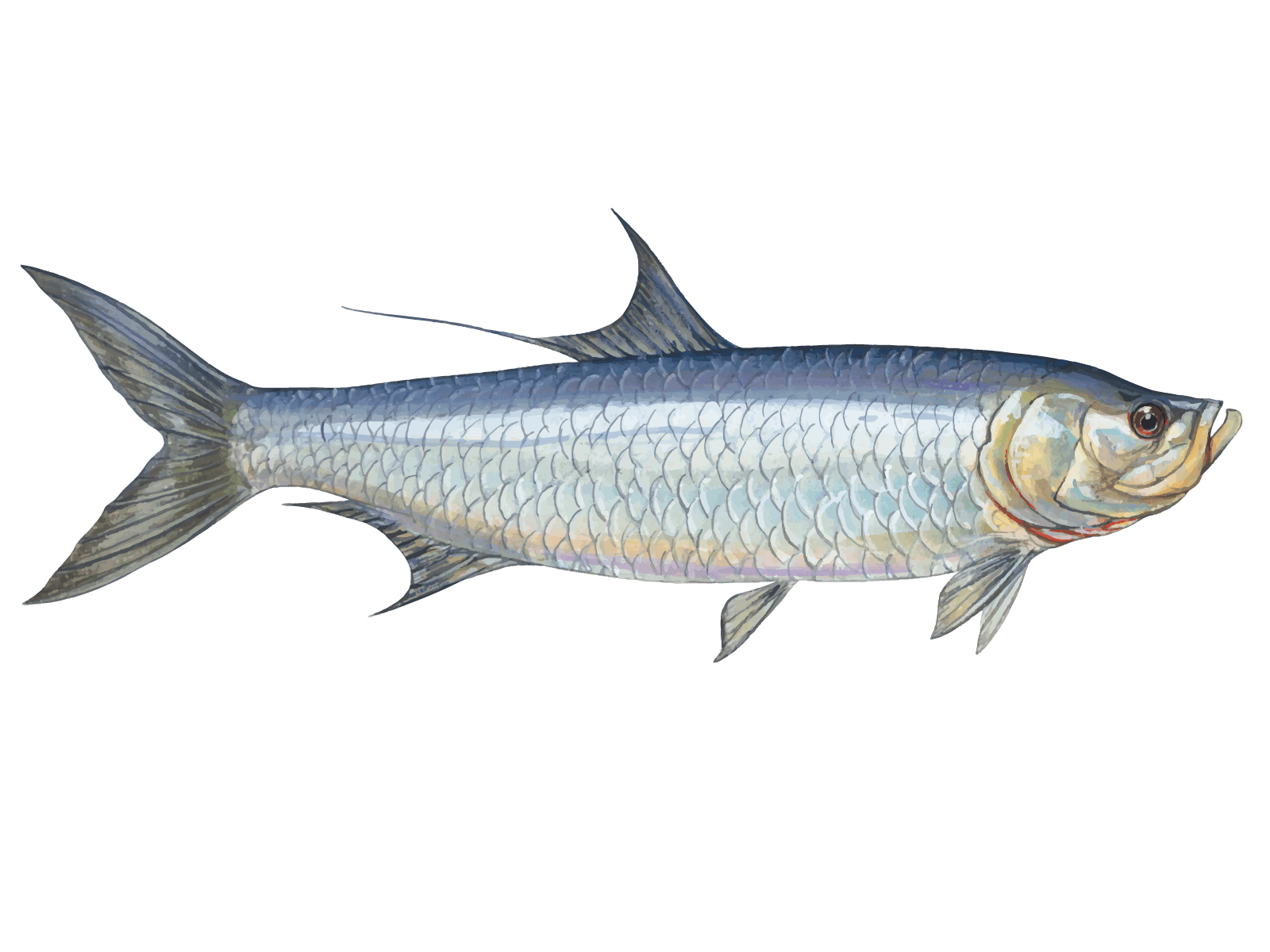
Tarpon are the ultimate bucket-list fish around New Port Richey - these silver giants can reach 6-8 feet and over 100 pounds, though most we see run 60-80 pounds. They cruise our shallow flats and channels, often rolling at the surface to gulp air, which gives them away. The magic happens from April through September when they migrate through our waters. What makes tarpon fishing special isn't the eating (they're terrible table fare), but that heart-stopping moment when 100 pounds of fish launches itself 6 feet in the air trying to throw your hook. They're prehistoric fighters with stamina that'll test your tackle and patience. We find them in 4-15 feet of water around structure and current breaks. Pro tip: when a tarpon jumps, immediately bow to the fish by pointing your rod tip at them - it prevents the line from snapping on a tight drag during their aerial show.
About the Hewes
%2F%2Fusers%2Fc52cb1be-83b4-4ff5-89eb-a30f43d50c4f%2Fvehicle_picture%2Fbbb-mmtt20cd.jpg&w=1920&q=75)
Vehicle Guest Capacity: 3
Manufacturer Name: Yamaha
Maximum Cruising Speed: 50
Number of Engines: 1
Horsepower per Engine: 225